BMW M Pre-Purchase Inspection: What to Check Before You Buy a Used M Car
A used M car can be a great buy or an expensive lesson. Here is what a specialist pre-purchase inspection should cover, the generation-specific items worth asking about, and the records and questions that tell the two apart.
In this article
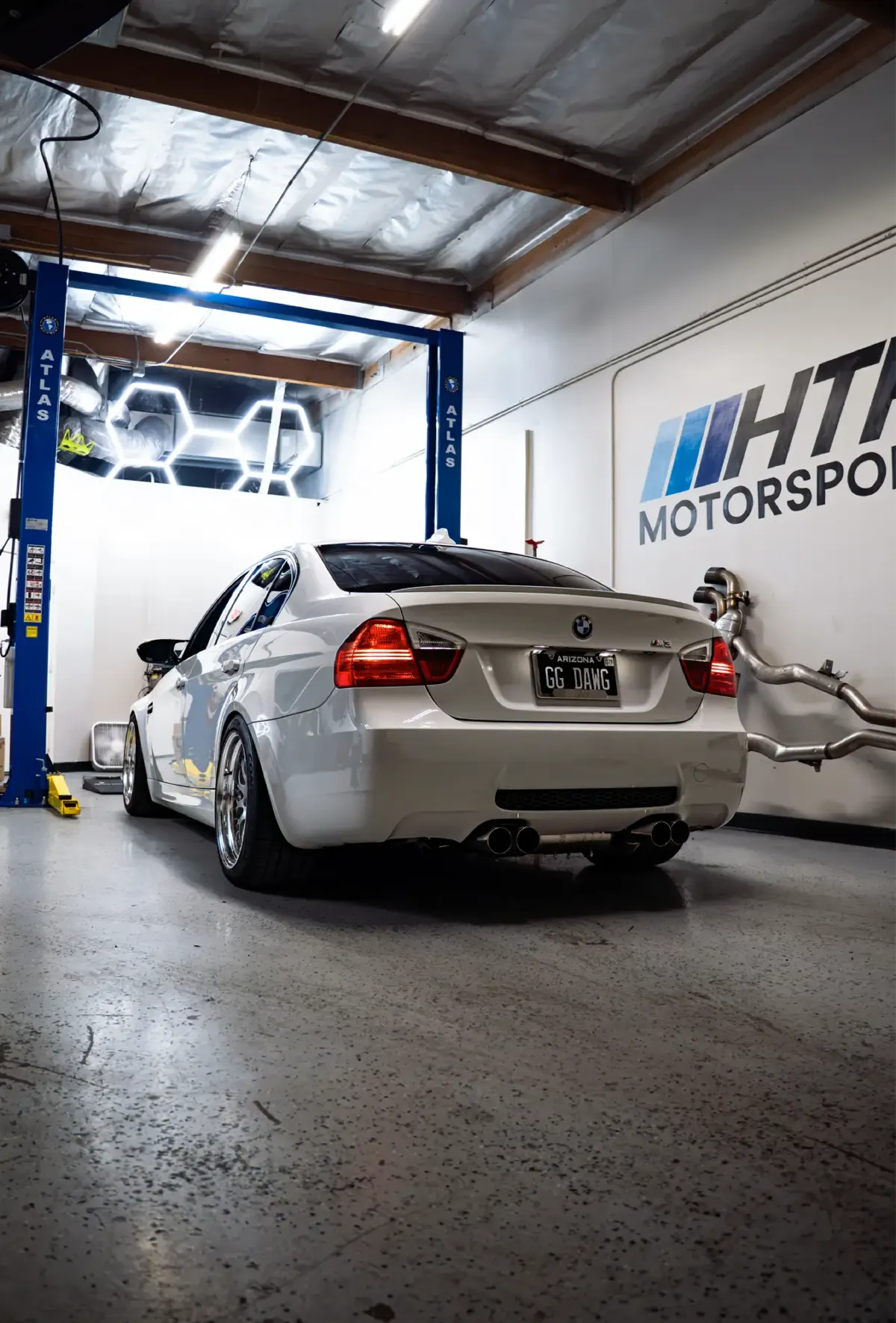
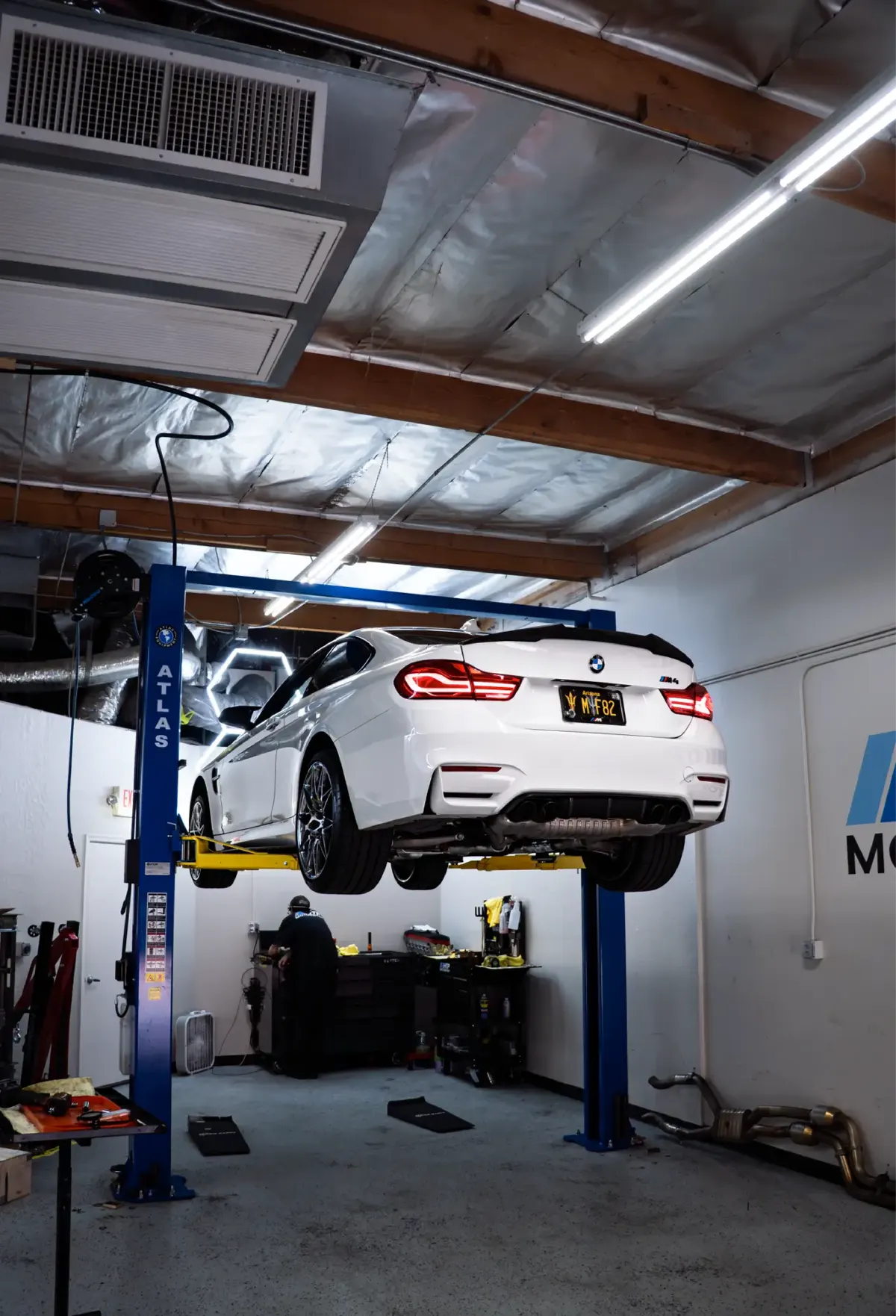
Should you pay for an inspection before buying a used BMW M car? Yes, and it should be done by someone who knows M cars. A proper BMW M pre-purchase inspection gets the car in the air and reads its fault memory with BMW-capable diagnostics. It also checks the known weak points of that particular generation and looks for damage or modifications the listing didn't mention. Here's what that inspection should cover, what it can't tell you, and what you should bring to it.
Why an M car needs a specialist inspection
An M3 or M4 comes from the same family as an ordinary 3 or 4 Series, but its engine, cooling, brakes and list of known issues are its own, and they change from generation to generation. Many have also been modified, tracked, or both, and a generic used-car checklist isn't built to catch that. Kies Motorsports' 2026 first-time M buyer's guide puts it plainly: "A proper inspection gets the car in the air and uses BMW-capable diagnostics. A parking-lot walkaround is not enough."
The other reason is money. Some M-car issues cost more to fix than an inspection costs by a wide margin. An inspection finding is useful whether it kills the deal, changes the price, or just tells you what to budget for in year one.
What a BMW M pre-purchase inspection should cover
Our pre-purchase inspection has four parts, and we'd expect any specialist's to cover the same ground.
A multi-point mechanical inspection
This is the hands-on part, and it covers the systems that matter most to a purchase decision. On an M car, we'd expect that to include leaks, suspension and steering wear, brakes, tires, cooling and the driveline. Tire wear tells you a lot. Uneven wear can point to alignment problems or hard track use.
A diagnostic scan for stored codes
A scan with BMW-capable diagnostics surfaces stored fault codes the seller may not have mentioned. On a car that has been tuned, the scan and the software history are part of the story too.
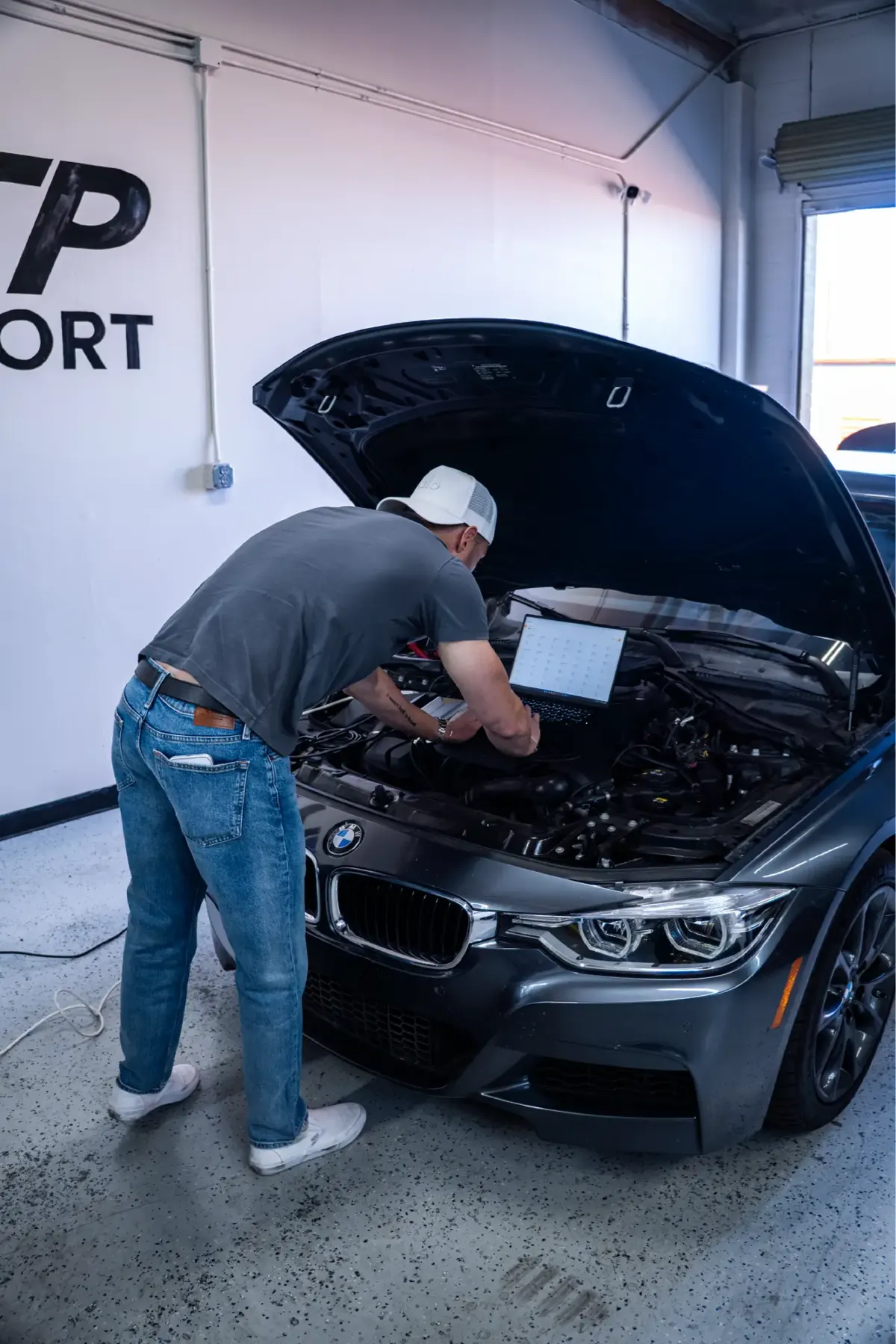
A visual check for prior damage or modifications
This means paint and panel condition, signs of accident repair, and any aftermarket parts, along with whether they were installed well.
A written summary
You get a written record you can use to decide, negotiate, or walk away.
What an inspection can't see
No inspection can see inside a closed engine. BimmerWorld's bearing guide says "the only sure way to check bearing wear is by removing a bearing and inspecting it". It adds that oil analysis may give early warning but isn't as definitive. That's why service records matter as much as the inspection itself.
Generation-specific items to ask about
Keep these short on the day. Each generation has a deeper guide linked below.
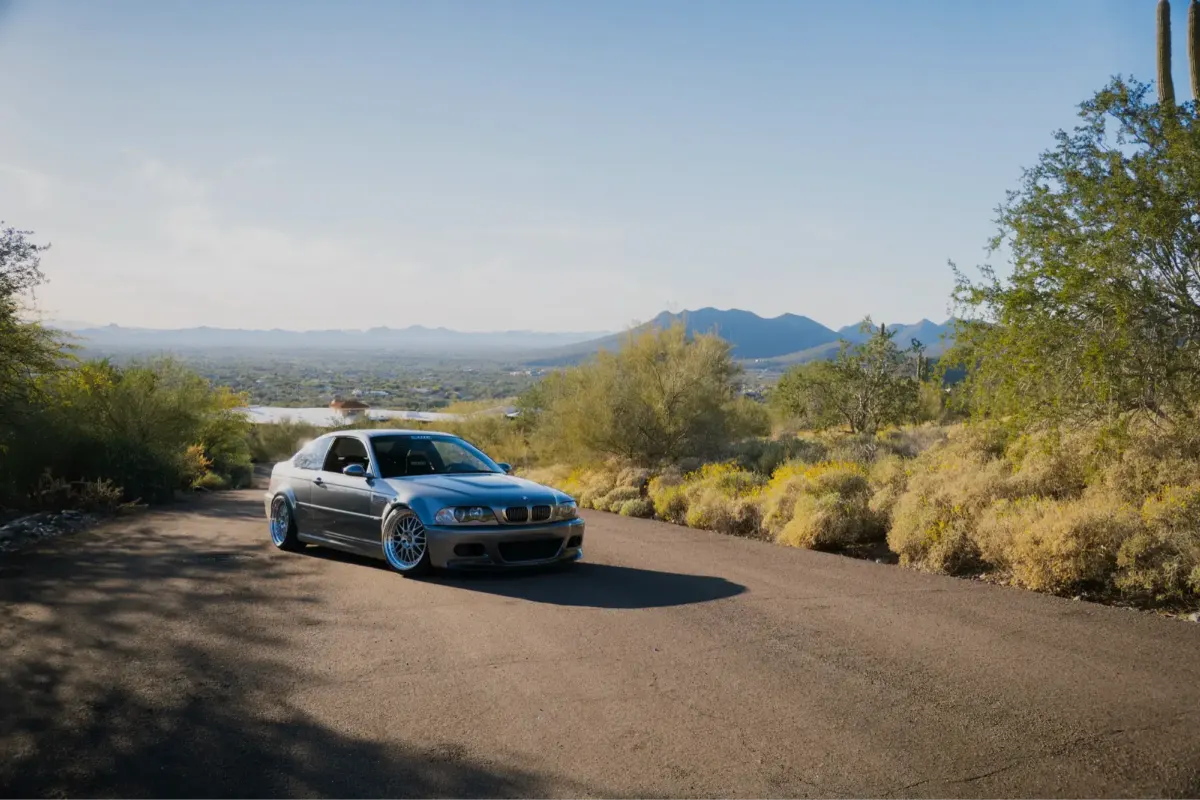
E46 M3 (S54)
ECS Tuning's E46 M3 problems list covers the "big three". It says BMW "did not spec the rod bearing sizes correctly", that VANOS hub tabs can break off, and that rear subframe cracking can affect even cars that have only seen street driving. ECS also notes that bushings can hide cracks from a visual inspection. Kies adds that BMW ran a rod-bearing service action for cars built from February 12, 2001 through May 22, 2003. It also recommends checking the rear axle carrier panel, not just the bolt-on subframe, and checking Takata airbag status by VIN. On SMG cars, ask about the pump, which ECS says commonly fails. Our E46 M3 guide covers the order to address these.
E90/E92/E93 M3 (S65)
Kies calls S65 rod-bearing wear "a specialist and enthusiast concern, not a BMW recall". It adds that a single oil analysis can't clear it, so ask for invoices if the bearings have been done. Throttle actuators are the other common question. One shop that opened up a failed actuator from an S85-powered M5 found heavy wear on its plastic gears. It then reported no discernible design difference in the S65 part. Kies notes that BMW issued a limited warranty extension for the idle-control actuators on certain 2013 cars. More in our S65 ownership guide.
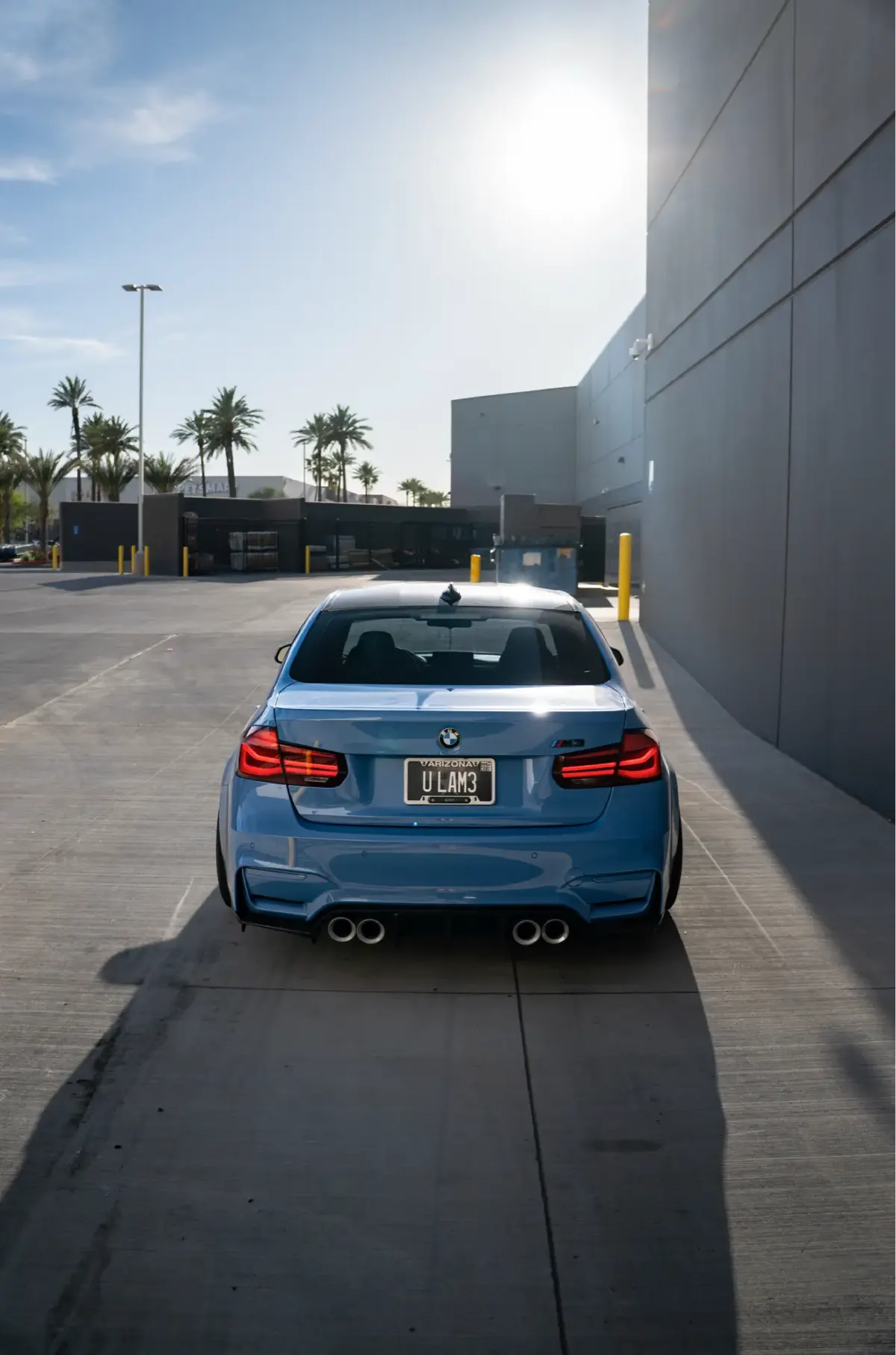
F80/F82/F87 (S55)
The crank hub is the debate. Vendors that sell the fix describe the risk differently. Precision Sport says "the risk exists on every S55". Motorsport Calibrations says the factory hub's friction plates "are known to slip" and that a slip can change timing enough to cause piston-to-valve contact. Kies takes the more measured line. It says there is no published BMW incidence rate, so concern should focus on tuned, high-torque or heavily tracked cars. It also suggests looking for DME flash history, timing faults and modification records. Our F80 vs. G80 comparison covers the platform in more depth.
G80/G82 (S58)
Kies doesn't list a signature defect for the G8X. Its advice is to verify every campaign by VIN, ask for proof that the 1,200-mile break-in service was done, and ask about software modifications. Many G8X cars are still young enough that warranty and campaign history matter, so the paperwork is part of the inspection. If you're already planning what to do after purchase, see our G80 M3 and G82 M4 upgrade guide.
Records, modifications, tunes and emissions parts
Service records
Kies' standard is a good one: "Dated invoices show VIN, mileage, parts, and shop." A stack of invoices that match the car's VIN and mileage is worth more than a verbal "it's all been done."
Modified cars
For a modified car, Kies suggests asking for the tuner, the map, the fuel requirement, the parts list, the installation invoices, the car's track history and whether the original parts come with it. Modifications aren't automatically a problem. Undocumented ones are. A flash tune or a piggyback module changes load and heat, so you want to know who set it up and what it expects.
Removed emissions parts
Removed emissions equipment is a legal problem as well as a mechanical one. The EPA's air enforcement page says the Clean Air Act prohibits anyone from tampering with a vehicle's emission controls "by removing it or making it inoperable". It also prohibits selling or installing parts that defeat them. A catless downpipe or software that disables emissions monitoring isn't street legal. In Arizona, emissions testing is required in the Phoenix and Tucson metro areas, and the test includes an on-board diagnostic check. If the car you're looking at has had emissions hardware removed, budget for putting it back.
Arizona-specific checks
Heat is hard on batteries. AAA says "heat is the number one cause of battery failure and reduced battery life" and that most batteries last three to five years. A Tucson shop owner told AZPM that a typical battery lasts "just 3 years in the desert Southwest". Ask how old the battery is.
AAA Arizona's spokesperson told KJZZ that summer heat puts "anything rubber in your car, your car battery and all your vehicle fluids" at risk. On an Arizona car, that's a reason to look harder at hoses, seals, bushings, tire age, and sun-exposed interior and exterior trim. It's also worth running the A/C for a long stretch on the test drive. And ask whether the car was garaged.
What to ask the seller
- Can I see the service invoices, and do they show the VIN and mileage?
- Have this generation's known items been addressed, and is there an invoice?
- Has the car been tracked? How often, and with which organizers?
- Is the car modified, or has the DME been flashed? Who did it, what fuel does it need, and are the original parts included?
- Has the car had paint, panel or accident repairs?
- How old are the battery and the tires?
- Can the car go to an independent shop for inspection? A seller who refuses has told you something.
Next steps
- Get the VIN and check open campaigns and recalls.
- Ask for the records before you book the inspection, so the inspector knows what's already been done.
- Book the inspection. Then read the written summary as a buyer: what's urgent, what's normal wear for the mileage, and what's a negotiating point.
If you're buying in the Valley, you can request an appointment for a pre-purchase inspection at our shop in Tempe. If the car is somewhere else, call us with the vehicle's location and details and we'll let you know what's possible. If a fault code needs chasing before you decide, our diagnostic service starts there. Anything the inspection turns up after you buy can be handled through repair and service.