First Track Day Prep in Arizona: Brakes, Tires, Fluids and the Heat
Your first HPDE doesn't need a modified car. It needs fresh brake fluid, healthy pads and tires, no leaks, a helmet, and a date that avoids the worst of the Arizona heat. Here is what tech inspectors check and what to do first.
In this article
- What an HPDE day looks like, and why a stock car is fine
- The tech inspection: what actually gets checked
- Brakes first: fresh, high-temperature fluid and real pad life
- Tires and wheels: condition, pressures and torque
- Fluids, cooling, and what to take out of the car
- Arizona heat: choose your dates and your sessions
- A practical prep timeline
Your first track day doesn't need a modified car. It needs a car that passes tech inspection and still has brakes, tires and fluids left in the last session of the day. Good first track day prep is mostly maintenance, done properly and early. In Arizona it also means picking a date and a time of day that work with the heat. Here is what organizers actually inspect, where your money should go first, and how to plan around the season that is just starting.
What an HPDE day looks like, and why a stock car is fine
HPDE stands for high performance driver education. It is instruction first and lapping second. NASA Arizona's HPDE program sorts drivers into four groups. Group 1 is for drivers who haven't been signed off to drive solo, and it comes with a certified in-car instructor and classroom sessions at no extra cost. Every group gets three to four on-track sessions. The organizer's own summary is that "all you need is a safe car and a helmet", and it says the car can be bone stock. You need a driver's license and a NASA membership, and 16- and 17-year-olds need parental consent.
That matches what we'd tell any first-timer. Suspension and power upgrades can wait. On day one, the car's job is to be reliable and predictable. Your job is to learn the line and listen to the instructor.
Every organizer writes its own rules, so read the ones for the event you've entered. One BMW CCA chapter event, for example, required a new inspection form for every event, completed no more than 30 days beforehand, and didn't allow convertibles at all. The Porsche Club's Arizona Region has asked for a pre-event inspection done by the driver, if qualified, or by a shop.
The tech inspection: what actually gets checked
Tech isn't there to trip you up. It catches the things that end a session early or put fluid on the racing line. This table combines NASA Arizona's first-day tips and tech inspection page with the Arizona PCA tech list linked above.
| Area | What inspectors look for |
|---|---|
| Tires | Tread above the wear bars, enough tread not to reach the cords before the event ends, no sidewall cracks or bubbles, and no plug repairs |
| Wheels | Hubcaps and beauty rings removed, lug nuts or bolts torqued |
| Brakes | A firm pedal, fluid at the right level and clear, pads thicker than you'd accept for the street, no cracked or leaking lines, working brake lights |
| Engine and fluids | No leaks of any kind, gas cap sealing, exhaust exiting behind the driver |
| Battery | Secured (NASA AZ says by two bolts), with the terminals covered |
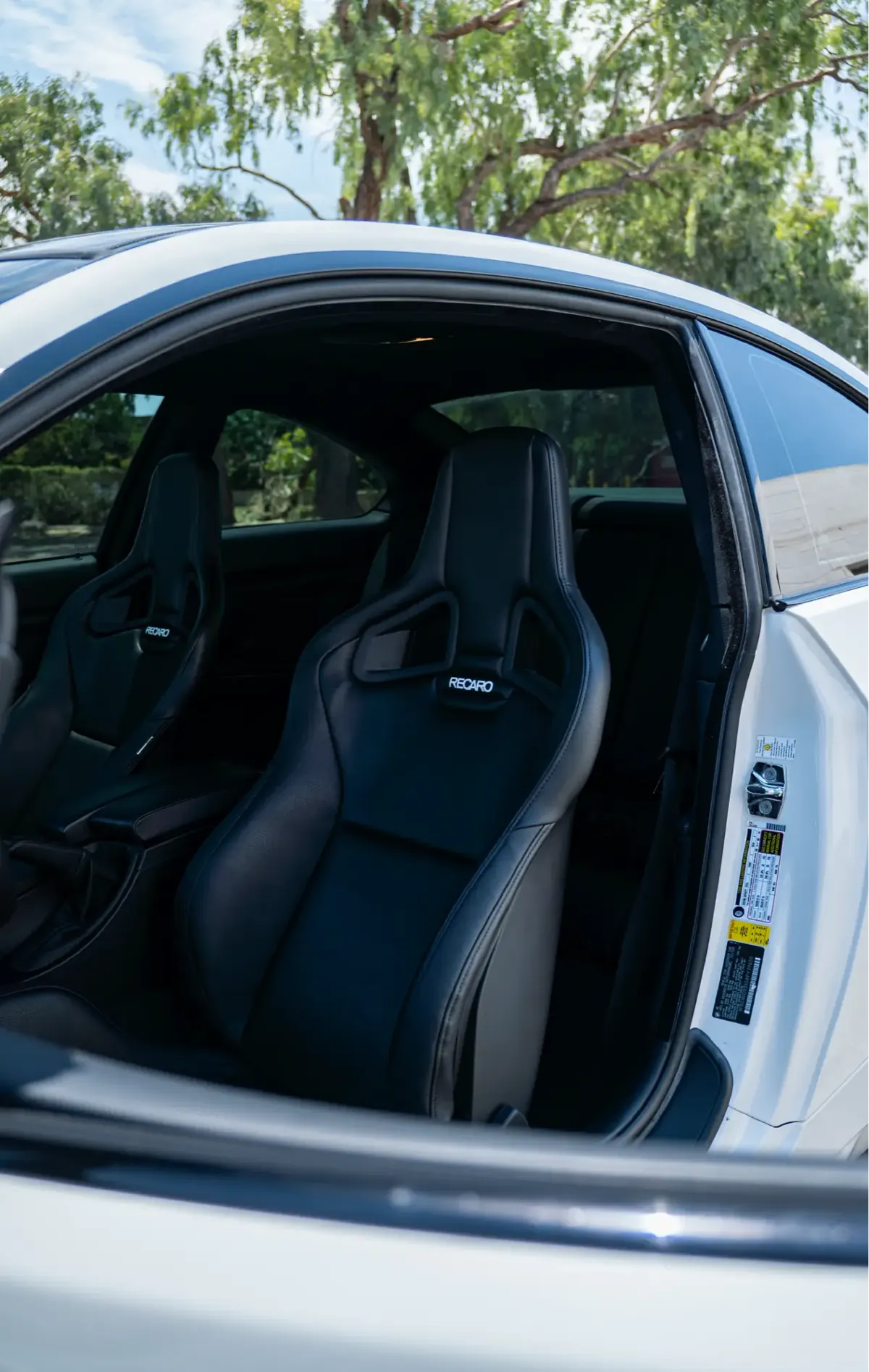
| Cabin | Loose objects removed, seats bolted in tightly, seat belts in excellent condition (factory belts are fine) |
| Open cars | Manufacturer documentation of rollover protection, or an aftermarket roll bar |
| Driver | A Snell-rated helmet (SA preferred, M accepted), eye protection, natural-fiber clothing, closed-toe shoes |
If you don't own a helmet, NASA Arizona says it has free loaners. Plan to arrive about 45 minutes before the drivers' meeting so tech isn't a rush.
Brakes first: fresh, high-temperature fluid and real pad life
If you only spend money in one place, spend it on brakes.
Brake fluid
Most brake fluid is hygroscopic: it absorbs moisture, and moisture lowers the boiling point. BimmerWorld's brake fluid guide lists the DOT 4 minimums as 230°C dry and 155°C wet. "Wet" is measured at 3.7% water content, which the guide says is roughly equal to one year of use. Fluids sold as "Super DOT 4" are listed at 260°C dry and 180°C wet.
Advice on how often to change it varies. BimmerWorld says to change fluid before every track event. The BMW CCA chapter linked above required a change at least every six track events or once a year, whichever comes first. For a first event, our view is simple: flush and bleed the whole system with fresh high-temperature fluid that's compatible with your car. Topping up isn't enough. Old fluid has absorbed moisture and boils sooner, and that shows up as a soft or long pedal partway through a session.
Pads and rotors
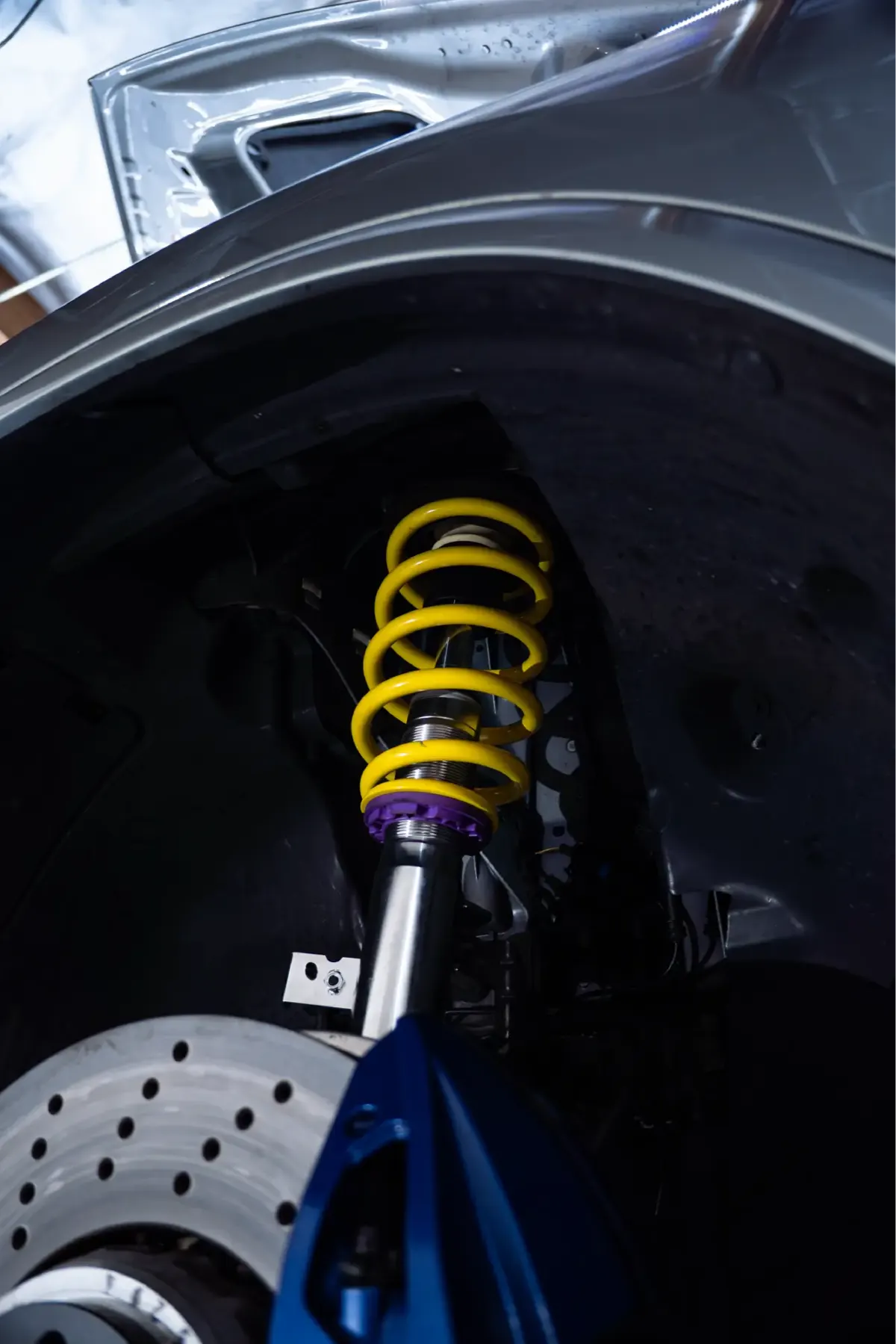
NASA Arizona asks for pads with more than street-minimum thickness. NASA's own prep column says the pads should have plenty of life left. If yours are around half worn, replace them before the event rather than after. While the wheels are off, check the rotors for cracks and the lines for damage. After your last session, take a slow cool-down lap and avoid holding the car on hot brakes in the paddock.
Tires and wheels: condition, pressures and torque
Condition first
Look at tread depth, sidewalls and age before you think about pressures. A tire with a plug repair won't pass NASA Arizona tech.
Pressures change when tires get hot
Set pressures cold. Michelin defines "cold" as before you've driven, or at least three hours after. On track, pressures climb as the tires heat up, so the number you set in the paddock isn't the one you'll be running on your third lap. Turn 14's HPDE checklist says tire temperature and pressure matter before, during and after every session, and recommends adjusting through the day. Its packing list includes a pressure gauge and a temperature gun. NASA's prep column notes that most drivers run higher pressures on track than on the street. Ask your instructor for a starting point for your car and tire. Then check pressures right after each session and write them down.
Wheel torque
Torque the wheels with a torque wrench, not an impact gun, and do it cold. BimmerWorld's wheel stud and nut guide cites BMW's specification as 120 Nm (88 ft-lb) for M12 wheel bolts and 140 Nm (103 ft-lb) for M14. It warns never to torque them hot. Other makes have their own specs, so use the figure for your car. If you've just had new tires fitted, recheck torque yourself before the event.
Fluids, cooling, and what to take out of the car
Oil and coolant
Start with the oil at the correct level, and check it before each session. Turn 14 suggests bringing a quart or two. Fix leaks before the event. NASA's prep column points out that coolant is "very slippery" on track, and a drip that seems harmless in your garage can fail tech.
Cooling
Inspect the coolant level and condition, the hoses, and the radiator for damage or debris. On track, watch your temperature gauges, and back off if they climb. Use the cool-down lap. If you have a tuned turbocharged BMW, our article on heat soak in Arizona covers intake and oil temperatures in more depth.
Empty the car
NASA's prep column says to remove the spare tire and jack, all floor mats, and any hubcaps or beauty rings. Take out everything loose in the cabin and trunk as well. In a hard braking zone, anything left behind becomes a projectile or ends up under a pedal.
Arizona heat: choose your dates and your sessions
The local track season works around the summer. NASA Arizona's schedule lists "No events" for July and August 2026. Its past events include a July 2023 entry reading "No AZ events – too hot!" and a May 2023 event run in a half-day summer format to finish before triple-digit temperatures. The Arizona PCA billed an October 2021 track day as "Welcome back from summer break". In practice, the season runs from roughly October through May.
For a first event, we'd pick a date in the cooler middle of the season. If you go early or late in the season, choose a morning-format event. Heat affects you as much as the car. Turn 14's checklist suggests about a quart of fluid per day for every 50 pounds of body weight. It also recommends a cooler of water, a chair, and a long-sleeve shirt.
At the time of writing, NASA Arizona's calendar lists dates at Firebird's West track on September 19 (flagged "all new pavement") and its East track on October 24–25. It then lists Firebird West and Radford on November 14–15, and Podium Club on December 5–6. Confirm dates and formats with the organizer before you plan around them.
A practical prep timeline
- Three to four weeks out: Register, then download and read the organizer's tech form. If you want a shop to do the prep, book it now, especially if parts need sourcing.
- Two weeks out: Flush the brake fluid, fit pads if needed, inspect the tires and check the alignment, and fix any leaks.
- The week of the event: Torque the wheels cold, empty the car, and pack your helmet, water, gauge, oil, basic tools and the completed tech form.
- Event day: Arrive early, get through tech, and spend your first sessions learning the line. Leave lap times for later.
Our race prep service covers the work above: brake and cooling system checks, fluid and safety inspections, and suspension and alignment setup for track use. Tire inspection, mounting and alignment fall under wheel and tire services, and leaks or worn parts we find get handled as normal repair and service work. Call ahead with your event date, or request an appointment, and we'll start with a look at the car and a conversation about the event you've entered.